Sam Powell · 10 September 2026
Inside Tiny Creative Hubs: How Minimalist Production Setups Are Reshaping Indie Audio Innovation
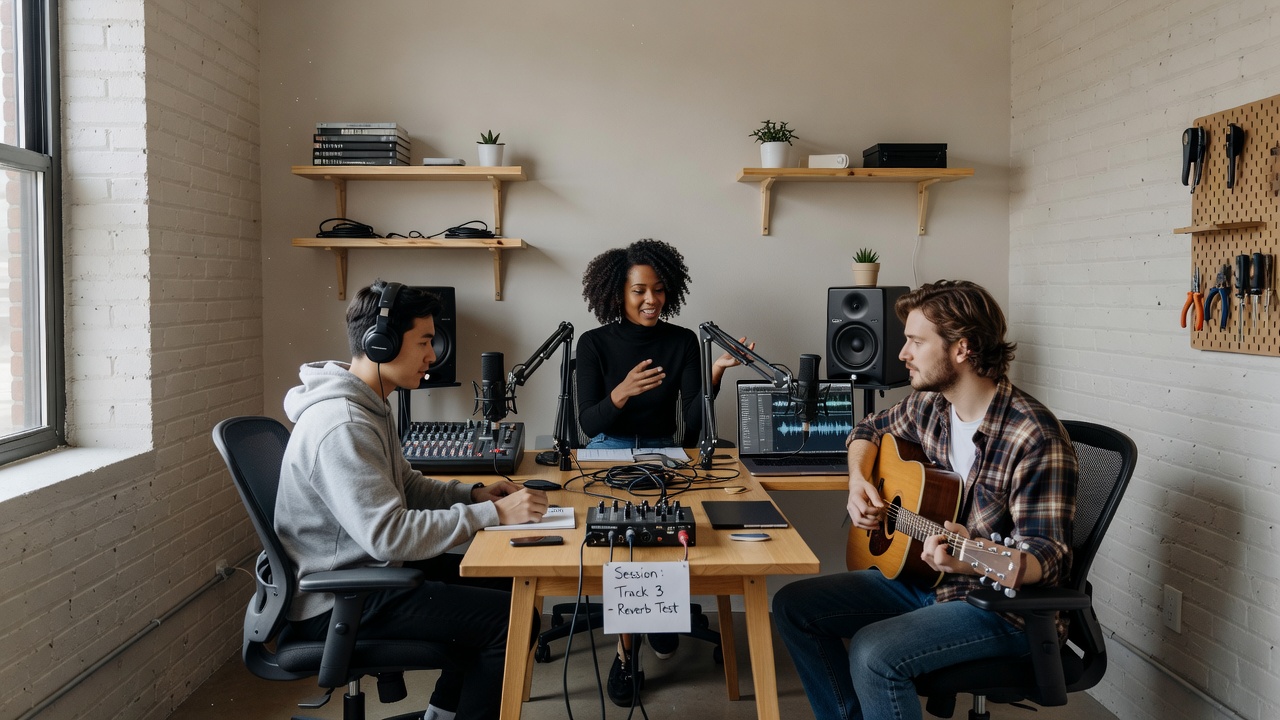
Small creative hubs equipped with basic gear continue to expand across cities worldwide as independent audio producers adopt stripped-down tools that include laptops, audio interfaces, and open-source software, and these environments support focused work without the overhead of traditional studios. Researchers tracking the sector note steady growth in such setups since the early 2020s, with many operators relying on single-room spaces that double as recording areas and editing stations. Data from industry reports shows that equipment costs for entry-level configurations dropped further by 2025, allowing more individuals to launch projects from apartments or shared warehouses rather than rented facilities.
Core Components of Minimalist Audio Production
Modern minimalist setups typically center on a portable computer running digital audio workstations such as Ableton Live or Reaper, paired with a USB audio interface and one or two condenser microphones, while producers add acoustic treatment through affordable panels or improvised solutions like blankets and bookshelves. Observers note that this combination delivers professional-grade results for music recording, podcast production, and sound design, and the same gear supports remote collaboration through cloud-based file sharing. Figures from the International Federation of the Phonographic Industry indicate that independent releases using these methods accounted for a growing share of global music output in recent years, driven by lower barriers rather than large capital investments.
Those who operate in tiny hubs often integrate mobile apps for field recording and noise reduction plugins that run on consumer hardware, and this flexibility lets creators capture ideas quickly before refining them in the same space. Experts at audio engineering conferences have documented how these workflows reduce setup time from hours to minutes, which in turn accelerates iteration cycles during production. One producer based in a converted garage in Melbourne described completing an entire EP using only a laptop and headphones, then distributing tracks directly to streaming platforms without additional mixing facilities.
Expansion Trends Through 2026
By September 2026, city planning data from multiple regions revealed an uptick in zoning approvals for mixed-use spaces that accommodate small creative operations, and analysts link this pattern to rising demand from audio freelancers who previously competed for time in larger facilities. Canadian Heritage statistics highlight similar developments in urban centers where shared hubs provide reliable power and internet without requiring individual leases for full studios. These environments foster networks among producers who exchange techniques for optimizing limited square footage, such as vertical storage for cables and modular furniture that converts between desk and isolation booth functions.
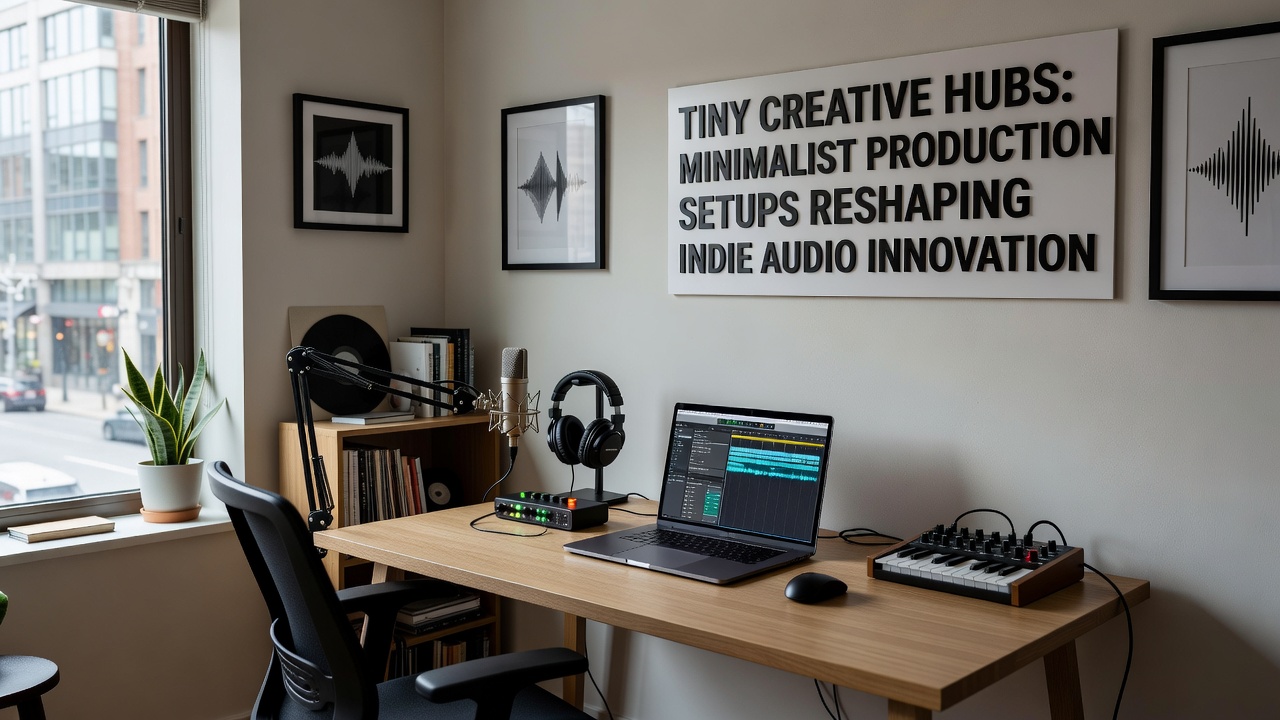
Academic studies from institutions in Europe and North America have examined how reduced equipment footprints influence creative decision-making, and findings suggest that fewer choices in hardware prompt greater focus on composition and arrangement. Producers working within these constraints frequently experiment with virtual instruments and sample libraries that expand sonic palettes without physical accumulation, while community forums document shared templates for routing signals through minimal signal chains. The approach aligns with broader shifts toward sustainability, as lower energy consumption and reduced material purchases characterize many of these operations compared with conventional recording environments.
Impact on Indie Audio Innovation
Minimalist production methods have enabled faster prototyping of audio projects, and this speed contributes to higher output volumes among independent creators who release music, spoken-word content, and experimental soundscapes on accelerated schedules. Data released by the National Endowment for the Arts tracks employment patterns among self-employed artists and shows consistent participation growth in audio-related fields through the mid-2020s. Collaboration occurs across distances when files move through shared drives, allowing one contributor to record vocals in a small room while another handles editing on a separate laptop elsewhere.
Case examples include collectives in Scandinavian cities that converted former retail spaces into micro-hubs equipped with identical starter kits, and these groups report streamlined knowledge transfer during joint sessions. Sound designers for independent games and films similarly adopt portable rigs that fit into carry-on luggage, which supports on-location work followed by immediate processing back at the hub. Observers from trade associations note that such portability expands access for creators in regions with limited infrastructure, since the core requirements remain consistent regardless of geographic location.
Future Outlook for Small-Scale Audio Work
Continued refinement of software tools promises further efficiency gains for operators of tiny creative hubs, and integration with emerging machine-learning features for mixing and mastering already appears in several popular platforms. Government reports from Australia and the European Union track funding allocations that support maker spaces and artist residencies focused on audio, indicating institutional recognition of these models. Producers continue to adapt physical layouts to individual workflows, often incorporating second-hand furniture and recycled materials to maintain low overhead while preserving acoustic performance.
Conclusion
Minimalist production setups within tiny creative hubs have established a measurable presence in the indie audio landscape, supported by accessible technology and adaptable workspaces that accommodate diverse project types. Statistics compiled through 2026 confirm ongoing participation from independent creators who leverage compact configurations to complete and distribute work. These developments reflect broader patterns in creative industries where reduced resource requirements coincide with expanded output opportunities across music, podcasting, and sound design sectors.