Mia Simon · 8 October 2026
Adapting Layered Sound Design Workflows to Space-Constrained Mobile Content Creation Setups for Solo Video Producers
Layered sound design involves building audio tracks through multiple distinct elements such as dialogue, ambient layers, Foley effects, and musical cues that combine to support visual storytelling, and solo video producers working in space-constrained mobile setups have adapted these processes using portable interfaces and software applications that fit within limited physical areas. Data from industry reports indicate that mobile production tools now account for increased shares of independent content creation, with figures revealing steady growth in app-based recording sessions conducted outside traditional studios.
Core Elements of Layered Sound Design in Constrained Environments
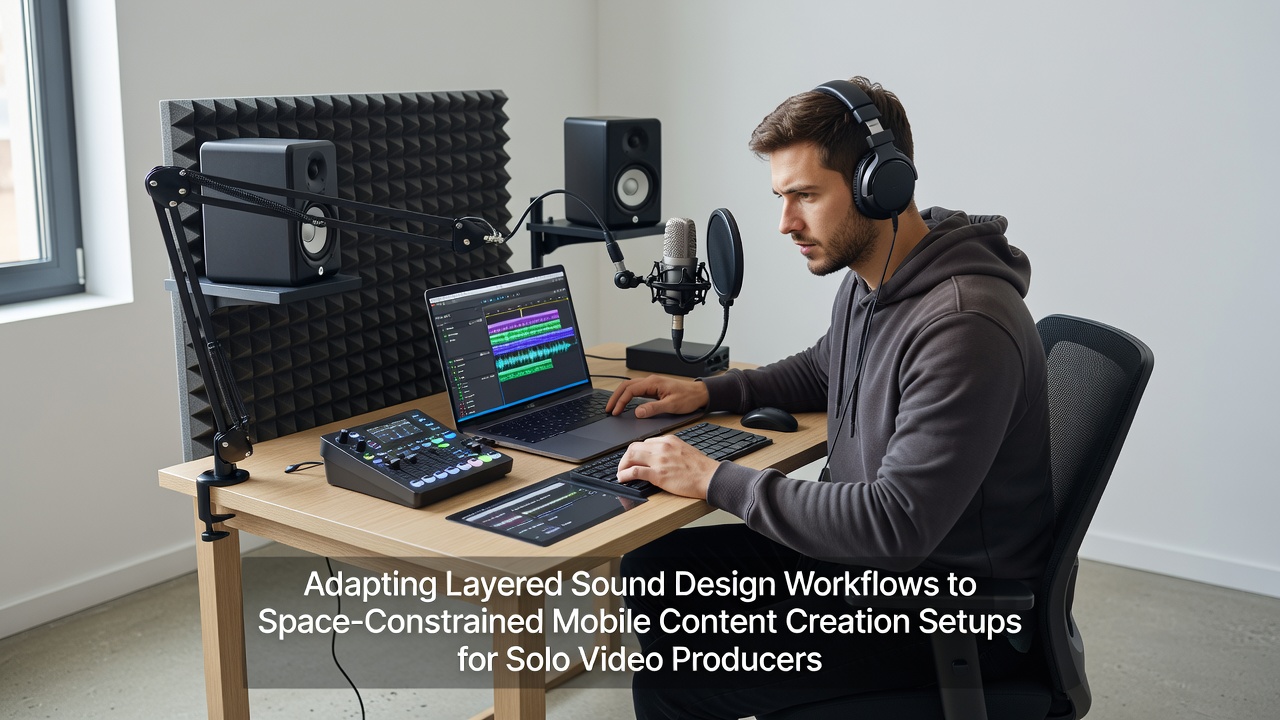
Those who study production trends note that space limitations require producers to prioritize compact hardware such as USB microphones and tablet-based digital audio workstations, while software features allow stacking of audio tracks without requiring large mixing consoles. Researchers at academic institutions have documented how mobile applications support real-time processing of multiple layers through cloud synchronization, which enables creators to record one element at a time and assemble them later in the same small workspace. Producers often begin with a base dialogue track captured via lavalier microphones clipped to clothing, then add environmental sounds through field recordings taken during short outdoor sessions that fit into daily schedules.
Workflow Adjustments for Mobile Hardware
Experts observe that solo operators integrate portable audio interfaces with smartphones or laptops to maintain signal quality across layers, and these setups rely on battery-powered preamps that operate without dedicated rack space. Studies from research centers show that latency reduction algorithms in current mobile DAWs permit simultaneous monitoring of up to eight tracks during layering sessions, which supports precise timing adjustments even when physical separation between recording zones remains minimal. One documented case involves a producer who combined a compact MIDI controller with a tablet application to trigger sampled effects while seated at a single desk, thereby completing a full sound bed within an area measuring less than two square meters.
Turns out the transition to mobile workflows also incorporates wireless monitoring systems that replace large studio monitors, allowing creators to verify layer balance through calibrated headphones without disturbing neighboring spaces. Data indicates that adoption of these wireless tools rose notably between 2024 and 2025, with survey results pointing to improved workflow continuity for producers who travel between multiple temporary locations.
Software Tools and Layer Management Techniques
People who work with layered audio on mobile platforms frequently employ applications that include built-in stem separation features, which isolate individual elements from source recordings and facilitate independent editing of each layer. According to findings presented by the Audio Engineering Society, mobile versions of established DAWs now include automation lanes that adjust volume and panning across multiple tracks in real time, reducing the need for external controllers. Producers can import reference tracks from cloud libraries and align them against newly captured elements using time-stretching functions that preserve pitch integrity during the assembly process.
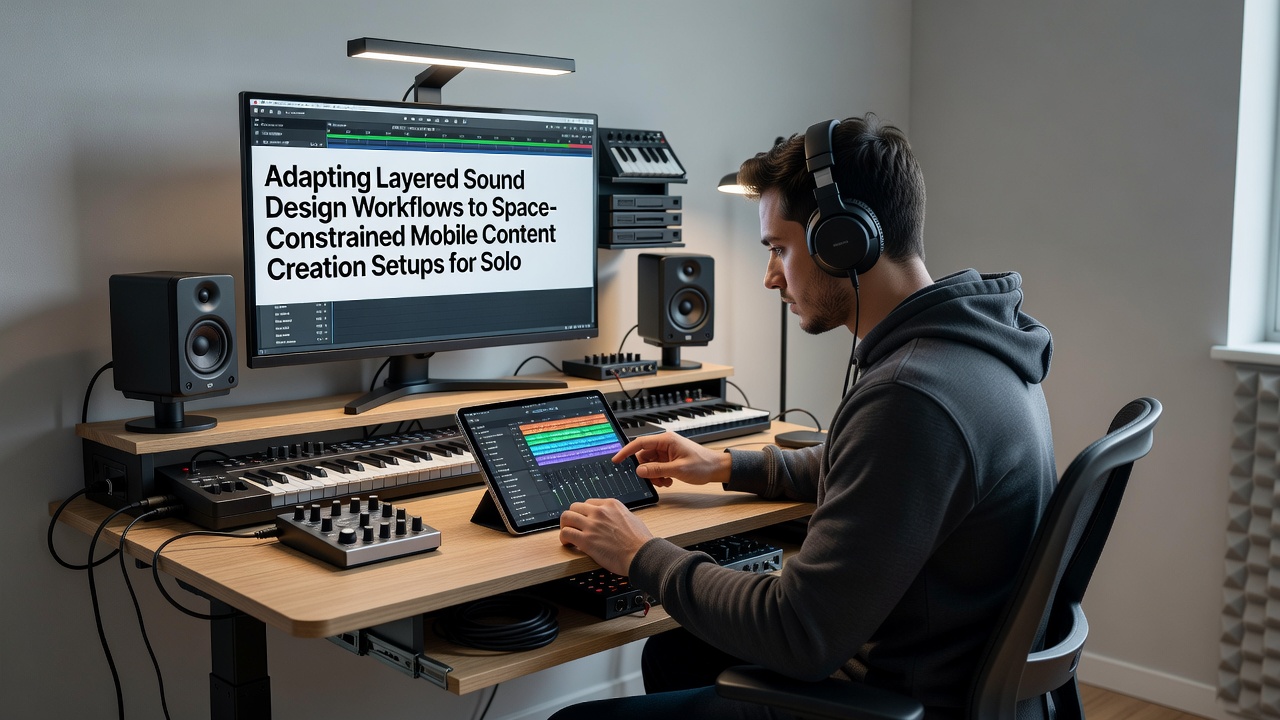
What's interesting is that updates scheduled for October 2026 include enhanced spatial audio rendering capabilities within several leading mobile applications, which will allow solo creators to simulate three-dimensional sound placement even when playback occurs through standard stereo headphones. These developments build on existing research that demonstrates improved audience immersion when layered effects incorporate height and depth cues derived from binaural recording techniques adapted for portable microphones.
Integration of Field Recordings and Post-Production
Observers note that field recordings captured with handheld devices form the foundation for many ambient layers, and mobile apps now provide onboard noise reduction filters that clean these captures without requiring additional computer processing time. A case study compiled by university researchers described a video producer who collected urban soundscapes during commuting periods, then layered them beneath voice-over elements recorded in a shared living space using directional microphone patterns to minimize background interference. The workflow continued with synchronization to video timelines through direct file transfer protocols that maintain metadata integrity across devices.
Industry reports further reveal that collaboration features in mobile platforms enable remote input from additional contributors who supply specific sound elements, which integrate into the primary project file without physical file exchanges that consume storage capacity in constrained setups. This approach maintains project momentum while respecting spatial limitations that prevent multiple operators from working simultaneously in one location.
Practical Considerations for Equipment Portability
Those who've examined equipment trends find that producers select modular microphone kits that pack into small cases, allowing transport between locations without dedicated vehicle space. Power management strategies become essential when sessions extend across multiple battery cycles, and data shows that external power banks paired with low-draw interfaces extend operational time sufficiently for complete layer assembly in a single day. Software presets tailored for mobile hardware further streamline the process by loading common effect chains that match typical video genres, which cuts down on manual configuration steps.
Research indicates that training resources from professional associations help new users adapt traditional studio layering methods to these portable configurations, with online modules covering signal routing and gain staging specific to compact interfaces. Such resources emphasize consistent monitoring levels across layers to preserve dynamic range when final mixes undergo compression for various distribution platforms.
Conclusion
Adaptations in layered sound design for space-constrained mobile setups continue to evolve through incremental hardware improvements and software refinements that address the operational realities faced by solo video producers. Figures from ongoing studies track rising participation in these workflows, driven by accessibility of tools that previously required larger facilities. As updates roll out in October 2026 and beyond, the integration of advanced spatial features promises additional flexibility within the same physical boundaries that currently define many independent production environments.